Endocrine system
Endometriosis (related)
Endometriosis is a condition in which tissue similar to the lining of the uterus grows outside it, most often on the ovaries and pelvic structures, driving chronic inflammation, pain, and sometimes infertility. It is not classified as a confirmed autoimmune disease, and research describes it instead as an immune-mediated condition: studies show reduced natural killer cell activity, altered complement system proteins, and broader disruption of both innate and adaptive immunity in the pelvic environment, alongside a hormonal environment marked by excess estrogen signaling and progesterone resistance. These immune changes appear to help displaced tissue survive and grow outside the uterus rather than being cleared normally.
Endometriosis is common, with research estimating it affects around 10 percent of women of reproductive age worldwide, and presentation ranges from severe pelvic pain to cases with few noticeable symptoms.
Common signs
painful periods, chronic pelvic pain, pain with sex, heavy or irregular bleeding, painful bowel movements or urination during periods, fatigue, and difficulty conceiving.
This is a plain-language summary for orientation, not a diagnosis. Mechanisms are described as current understanding, not settled fact. Work with your own clinician for your care.
Questions people ask
Can you get pregnant with endometriosis?+
What does endometriosis pain feel like?+
How do I know if I have endometriosis?+
In a doctor’s words
“Even if you've been dealing with this for 10 years and you've been constantly misdiagnosed, it is still treatable. You are not broken, and your pain is real. You deserve care from doctors who take it seriously.”
Kathy Huang, MD, director, Endometriosis Center, NYU Langone Health
Read more at NYU Langone News ↗
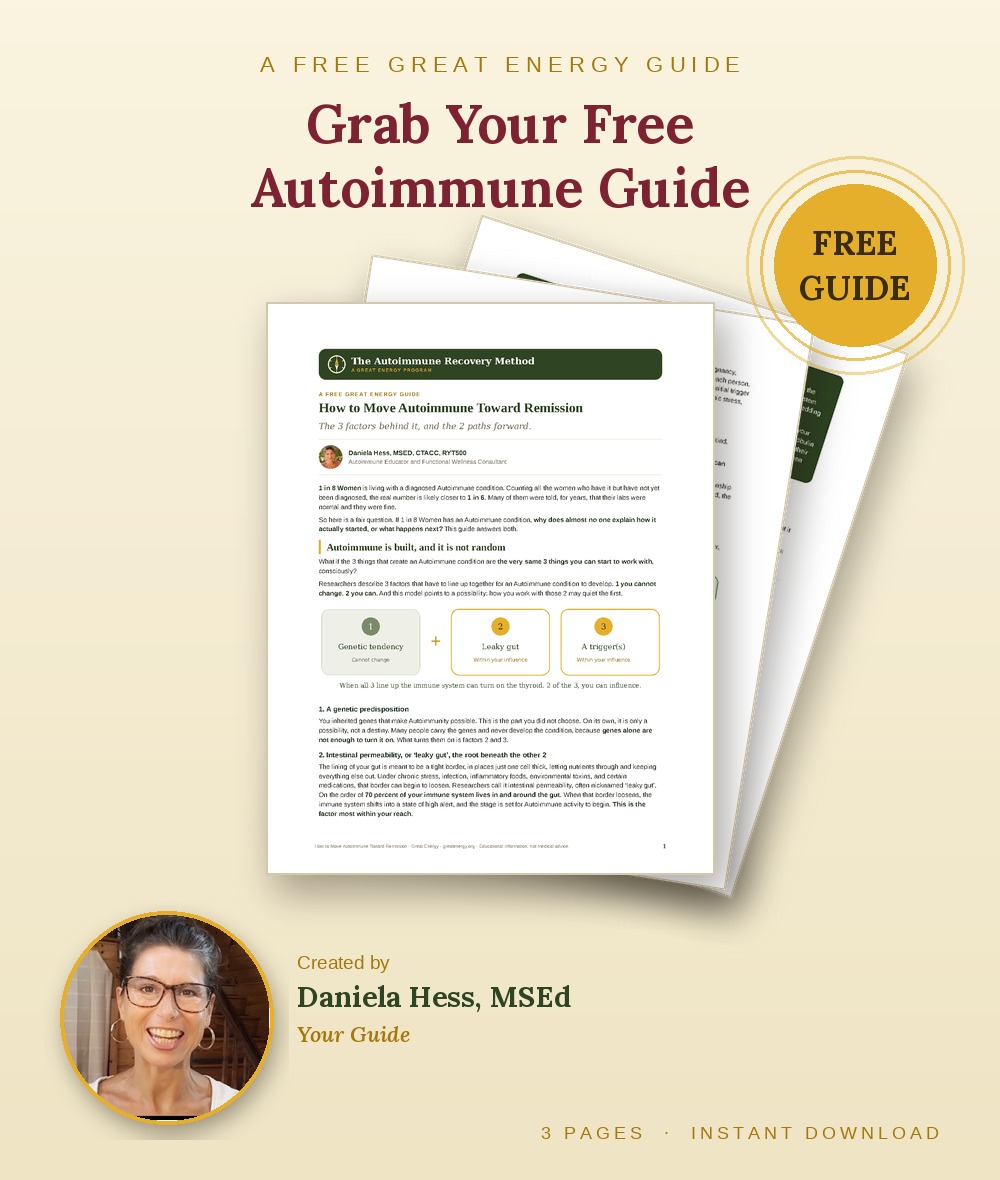
How to Move Autoimmune Toward Remission
The 3 factors behind an Autoimmune condition and the 2 paths forward, free, straight to your inbox.
No spam. Unsubscribe anytime.
Your guide is on its way. You can also open it now (PDF).
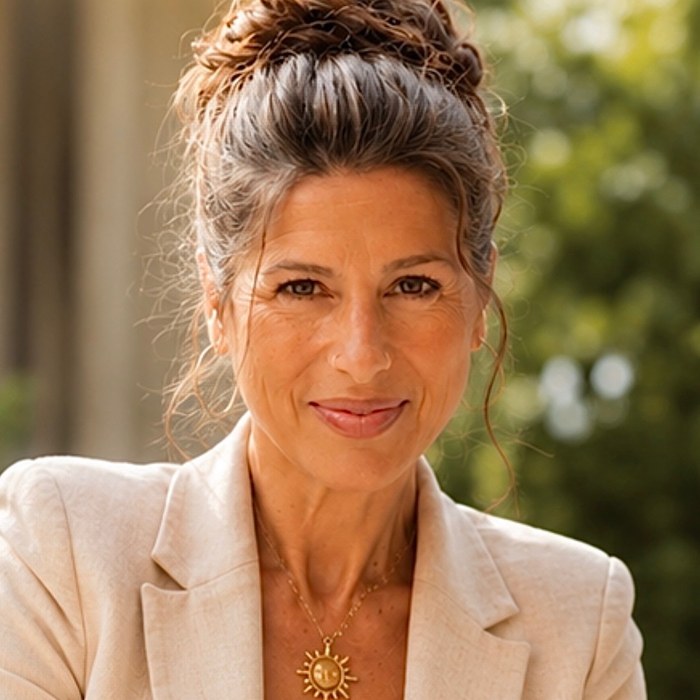
Articles from Daniela
Daniela Hess, MSEd, is a co-founder of Great Energy and an Autoimmune Educator and Functional Wellness Consultant who lives and thrives with Hashimoto’s. She is not a licensed medical provider.
AIP recipes to try
A place to start in the kitchen while you work on this with your own clinician: