Multi-system and other
Erythema nodosum (related, a reaction pattern)
Erythema nodosum is not a disease in itself and is instead a reaction pattern, an inflammatory response in the fatty layer under the skin that shows up as tender red bumps, usually on the shins. It reflects inflammation of the small veins and connective septa within the fat layer, described in the literature as a form of panniculitis, and is the skin's way of reacting to something else going on in the body. Research describes streptococcal throat infection, sarcoidosis, inflammatory bowel disease, and certain medications as among the most frequent identifiable triggers, though in roughly half of cases no clear underlying cause is found.
It affects women more often than men, with studies estimating women make up around 83 percent of cases, and the peak incidence falls between ages 18 and 34, though it can occur at any age. Many people also have a general feeling of being unwell, low fever, and joint aches, and the bumps typically heal on their own over a few weeks without scarring.
Common signs
Tender, warm, reddish or purplish raised bumps, most often on the front of the lower legs, that can feel like bruises as they fade. Many people also have a general feeling of being unwell, low fever, joint aches, and fatigue. The bumps usually heal over a few weeks without scarring.
This is a plain-language summary for orientation, not a diagnosis. Mechanisms are described as current understanding, not settled fact. Work with your own clinician for your care.
Questions people ask
Is erythema nodosum an autoimmune disease?+
What causes erythema nodosum?+
How long does erythema nodosum last?+
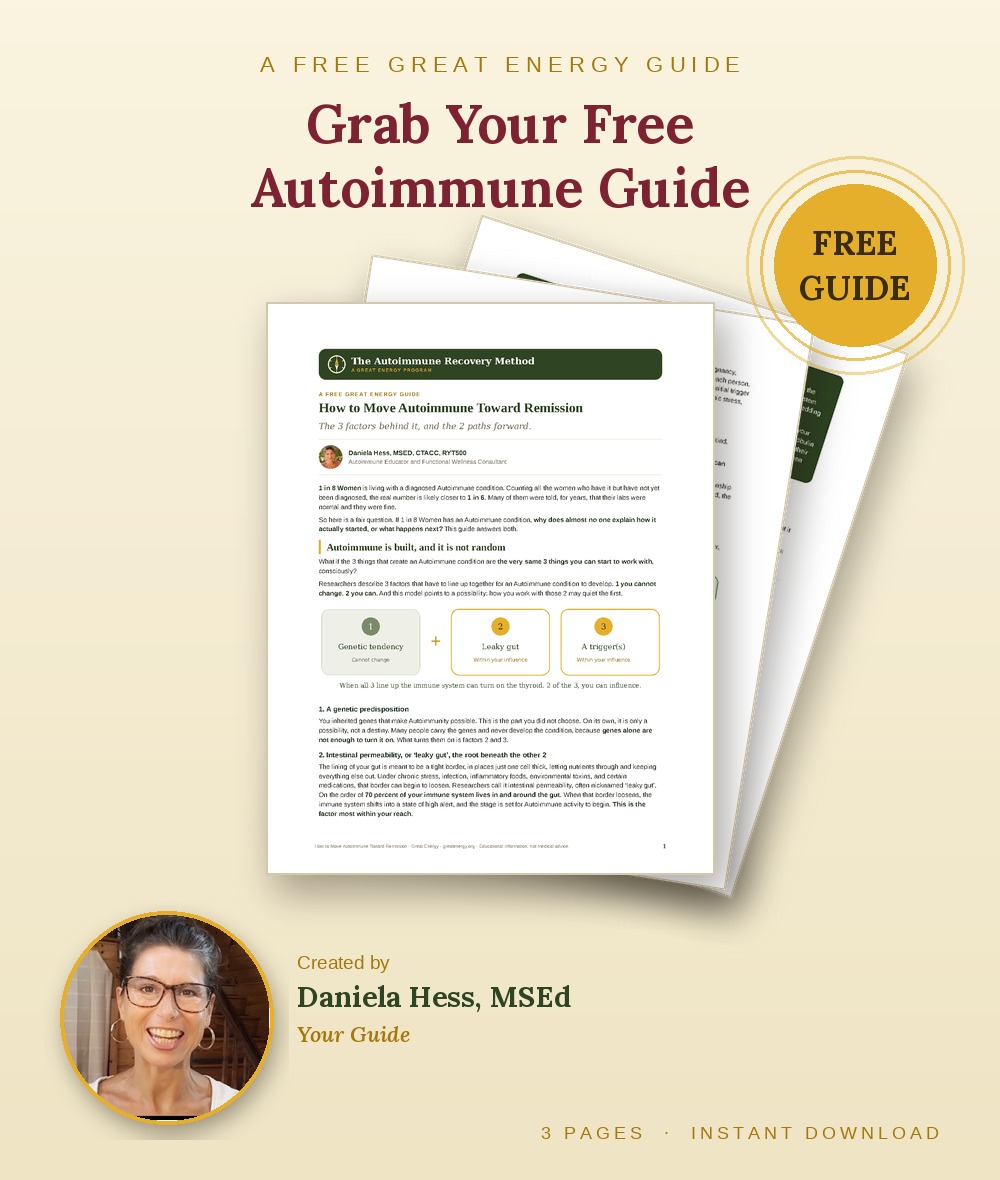
How to Move Autoimmune Toward Remission
The 3 factors behind an Autoimmune condition and the 2 paths forward, free, straight to your inbox.
No spam. Unsubscribe anytime.
Your guide is on its way. You can also open it now (PDF).
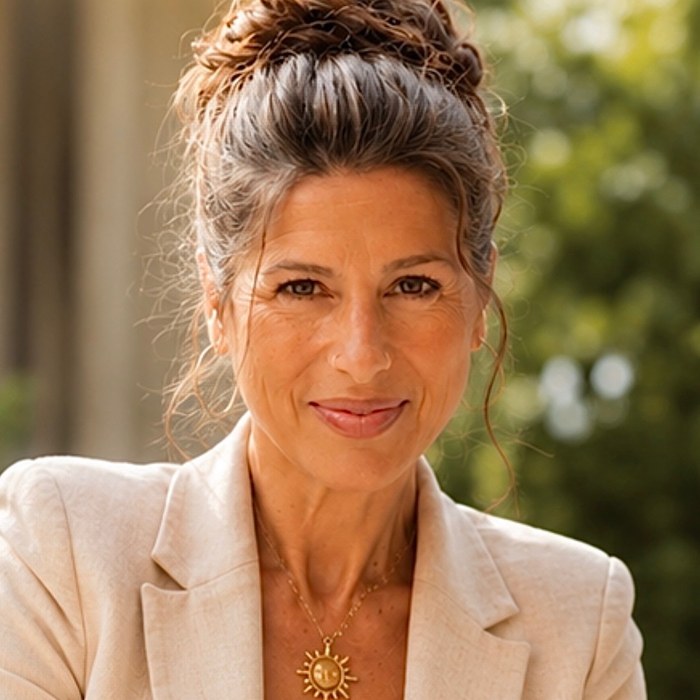
Articles from Daniela
Daniela Hess, MSEd, is a co-founder of Great Energy and an Autoimmune Educator and Functional Wellness Consultant who lives and thrives with Hashimoto’s. She is not a licensed medical provider.
AIP recipes to try
A place to start in the kitchen while you work on this with your own clinician: