Kidney and eye
Graves' Ophthalmopathy (Thyroid Eye Disease, TED)
Thyroid eye disease affects the tissues and muscles in the eye socket behind and around the eyes. Antibodies against the thyroid-stimulating hormone receptor, along with antibodies against the insulin-like growth factor-1 receptor, are thought to trigger an inflammatory cascade that activates orbital fibroblasts and leads to swelling and expansion of the orbital tissue. It most often accompanies Graves' disease and its related hyperthyroidism, though a small share of people with thyroid eye disease have normal or even low thyroid function.
A 2025 review described the age-adjusted annual incidence of clinically significant disease as an estimated 16 per 100,000 women and 2.9 per 100,000 men, and noted that most cases are mild, with about 1 in 5 moderate to severe. Risk factors include smoking and the level of thyrotropin receptor antibodies, and cases that threaten vision need prompt specialist care.
Common signs
Bulging or staring eyes, eyelid retraction, redness and swelling, dryness or excessive tearing, light sensitivity, a feeling of grit, double vision, and eye discomfort.
This is a plain-language summary for orientation, not a diagnosis. Mechanisms are described as current understanding, not settled fact. Work with your own clinician for your care.
Questions people ask
Can you have thyroid eye disease with normal thyroid levels?+
What are the symptoms of thyroid eye disease?+
What causes thyroid eye disease?+
In a doctor’s words
“Some patients are unable to recognize themselves after treatment; it really has become a game-changer for management of this disease.”
Suzanne K. Freitag, MD, Director of Ophthalmic Plastic Surgery Service and Co-Director of the Center for Thyroid Eye Disease and Orbital Surgery, Mass Eye and Ear
Read more at Mass Eye and Ear (FOCUS) ↗
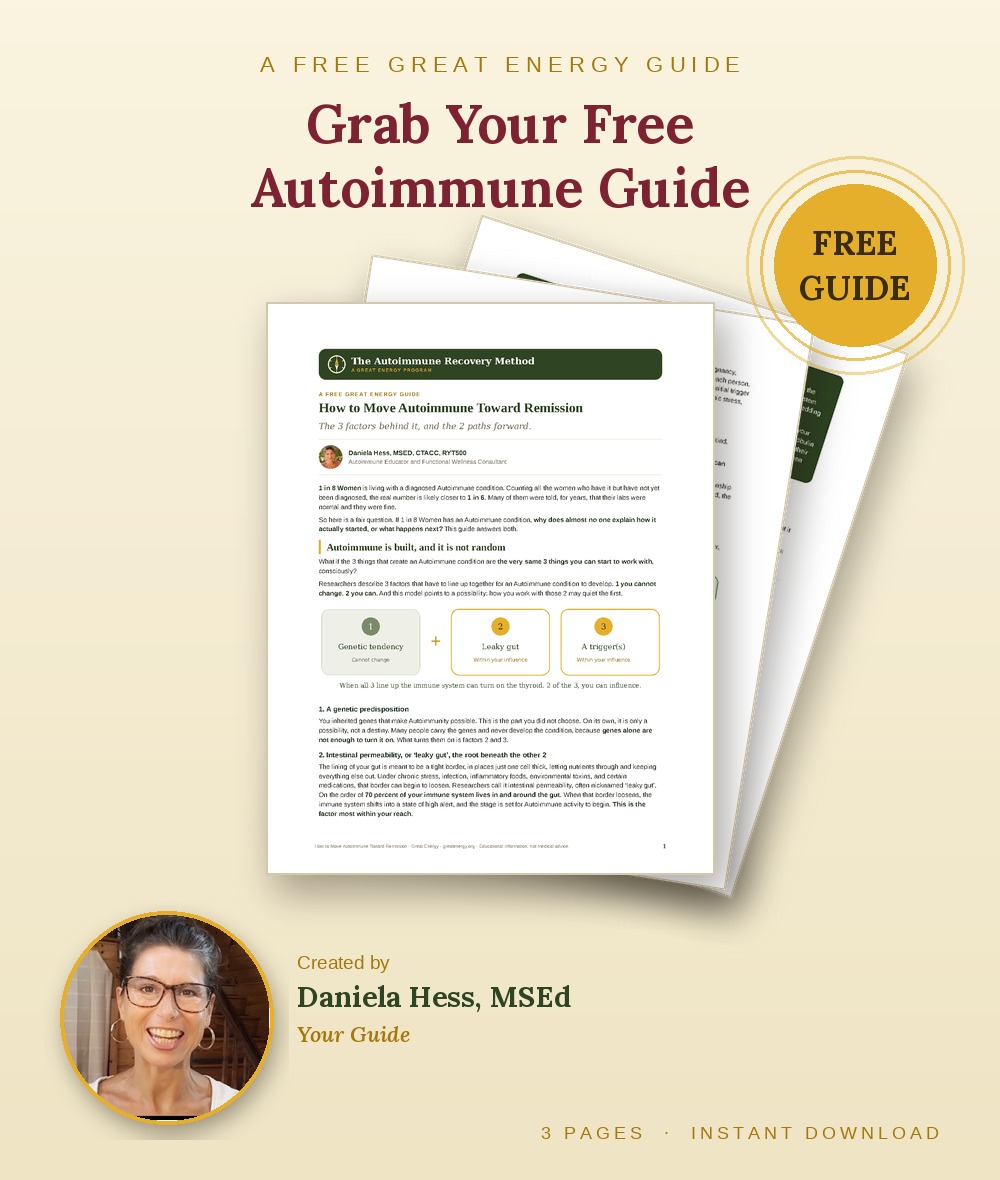
How to Move Autoimmune Toward Remission
The 3 factors behind an Autoimmune condition and the 2 paths forward, free, straight to your inbox.
No spam. Unsubscribe anytime.
Your guide is on its way. You can also open it now (PDF).
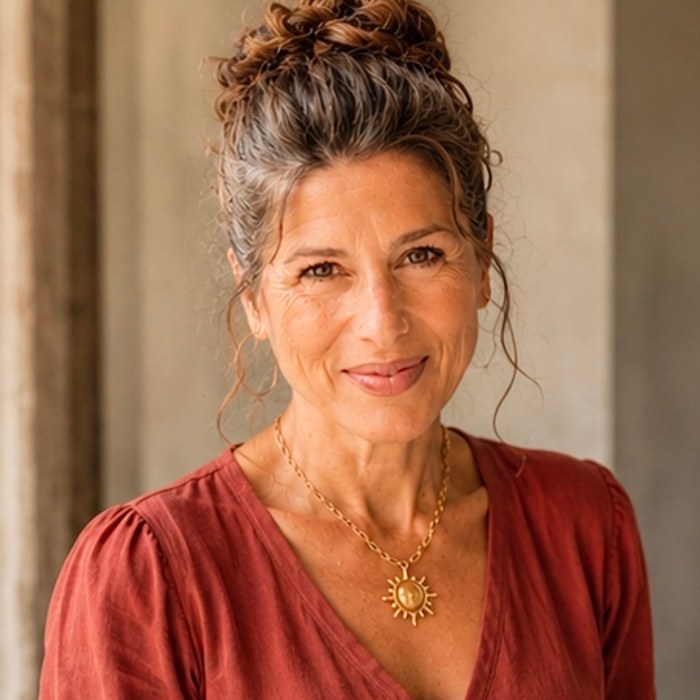
Articles from Daniela
Daniela Hess, MSEd, is a co-founder of Great Energy and an Autoimmune Educator and Functional Wellness Consultant who lives and thrives with Hashimoto’s. She is not a licensed medical provider.
AIP recipes to try
A place to start in the kitchen while you work on this with your own clinician: