Endocrine system
Hashimoto's thyroiditis (autoimmune thyroiditis)
Hashimoto's affects the thyroid, a small gland in the neck. The immune system is thought to gradually inflame and damage thyroid tissue, mediated by antibodies against thyroid peroxidase and thyroglobulin along with T-cell activity that drives progressive fibrosis of the gland. Over time this can lower thyroid hormone output and lead to an underactive thyroid (hypothyroidism). It often involves a goiter, an enlarged thyroid.
Hashimoto's is the most common autoimmune thyroid condition and the most common cause of hypothyroidism in regions where iodine intake is adequate. A 2022 meta-analysis estimated the condition affects roughly 7.5 percent of adults worldwide, though reported rates vary widely by region and screening method. It is markedly more common in women, with a female-to-male ratio estimated between 7:1 and 10:1, and most often diagnosed between ages 45 and 55.
Common signs
fatigue, feeling cold, weight gain, dry skin, hair thinning, constipation, low mood, brain fog, and a puffy face. Symptoms often build slowly.
This is a plain-language summary for orientation, not a diagnosis. Mechanisms are described as current understanding, not settled fact. Work with your own clinician for your care.
Questions people ask
Can Hashimoto's disease be cured?+
What is the difference between Hashimoto's disease and hypothyroidism?+
What are the symptoms of Hashimoto's disease?+
In a doctor’s words
“The vast majority of patients feel good on levothyroxine.”
Jacqueline Jonklaas, MD, endocrinologist, Professor of Medicine, Georgetown University; past board member, American Thyroid Association
Read more at Healthgrades ↗
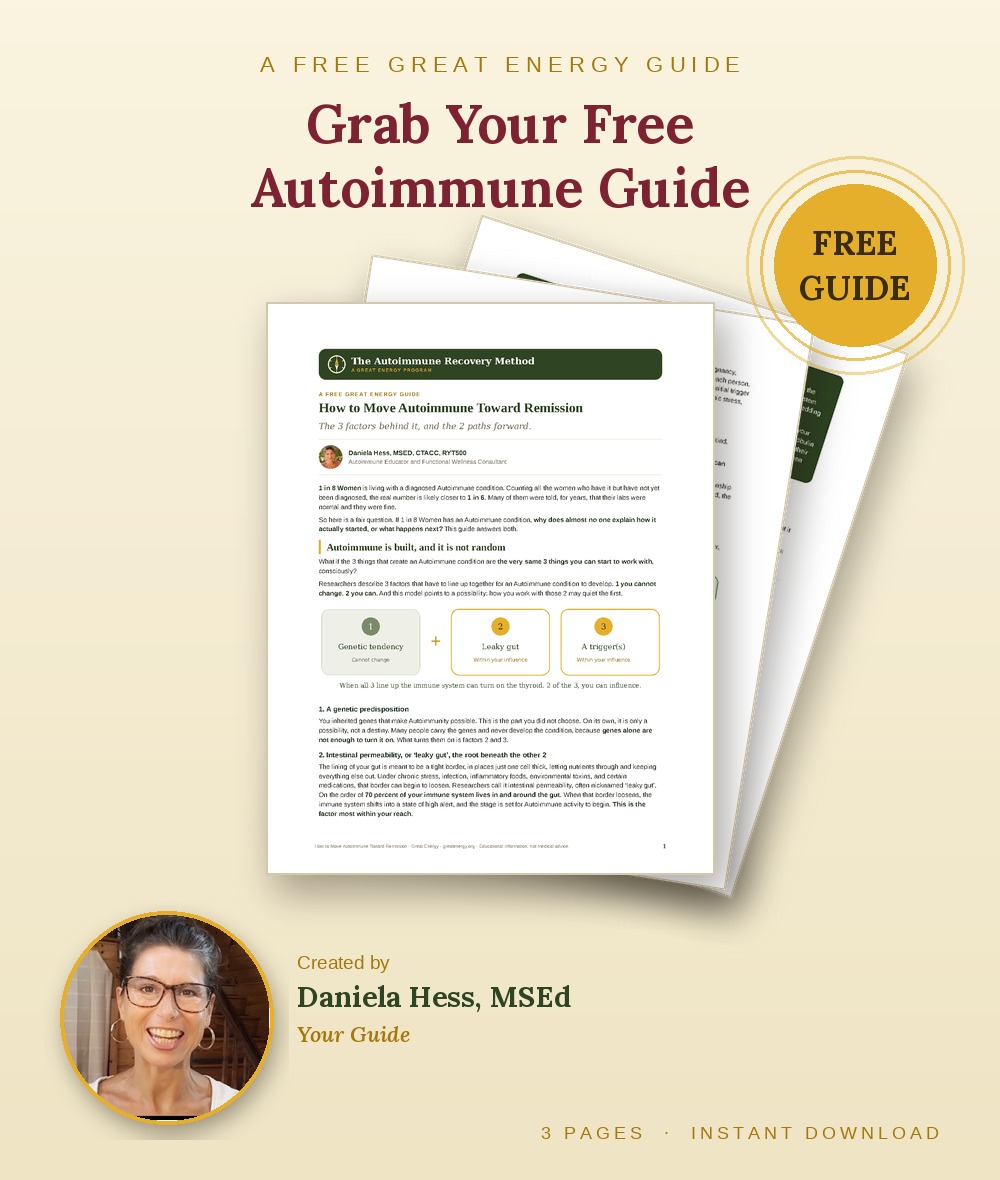
How to Move Autoimmune Toward Remission
The 3 factors behind an Autoimmune condition and the 2 paths forward, free, straight to your inbox.
No spam. Unsubscribe anytime.
Your guide is on its way. You can also open it now (PDF).
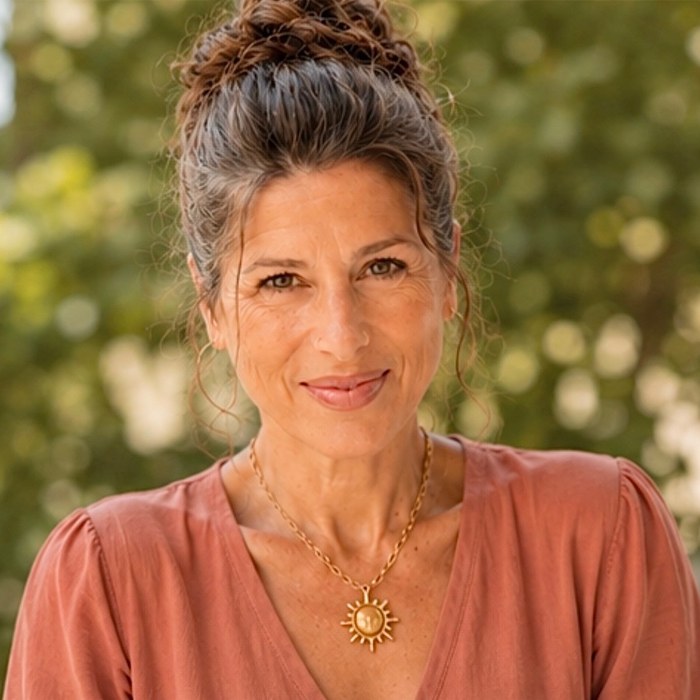
Articles from Daniela
Daniela Hess, MSEd, is a co-founder of Great Energy and an Autoimmune Educator and Functional Wellness Consultant who lives and thrives with Hashimoto’s. She is not a licensed medical provider.
AIP recipes to try
A place to start in the kitchen while you work on this with your own clinician: