Skin and hair
Vitiligo
Vitiligo affects the skin and, in some cases, the hair. The immune system is thought to attack and destroy melanocytes, the cells that produce the pigment melanin, and as those cells are lost the skin develops smooth patches without color. The autoimmune theory is the most widely accepted explanation, and researchers describe a process in which melanocyte stress and dysfunction help trigger the immune response that ultimately destroys them, with newer research pointing to type I interferon and JAK/STAT signaling as part of that pathway.
Vitiligo is estimated to affect roughly 0.5 to 2 percent of people worldwide, with most reviews citing a figure near 1 percent, and it can begin at any age. People with vitiligo are also more likely to have other immune-mediated conditions, thyroid disease among the most common, so clinicians often screen for related conditions once vitiligo is diagnosed.
Common signs
Smooth white or lighter patches of skin that often begin on the hands, forearms, feet, and face and may slowly spread. The patches are usually not itchy or painful, and hair growing in affected areas can also turn white. The condition is most visible on darker skin tones.
This is a plain-language summary for orientation, not a diagnosis. Mechanisms are described as current understanding, not settled fact. Work with your own clinician for your care.
Questions people ask
Is vitiligo contagious?+
What causes vitiligo?+
Does vitiligo spread?+
In a doctor’s words
“I think that we're going to start breaking down these barriers now that we have an approved therapy and things are going to get better. Slowly, but surely, things are going to get better.”
Brett King, MD, PhD, Associate Professor of Dermatology, Yale School of Medicine
Read more at AJMC ↗
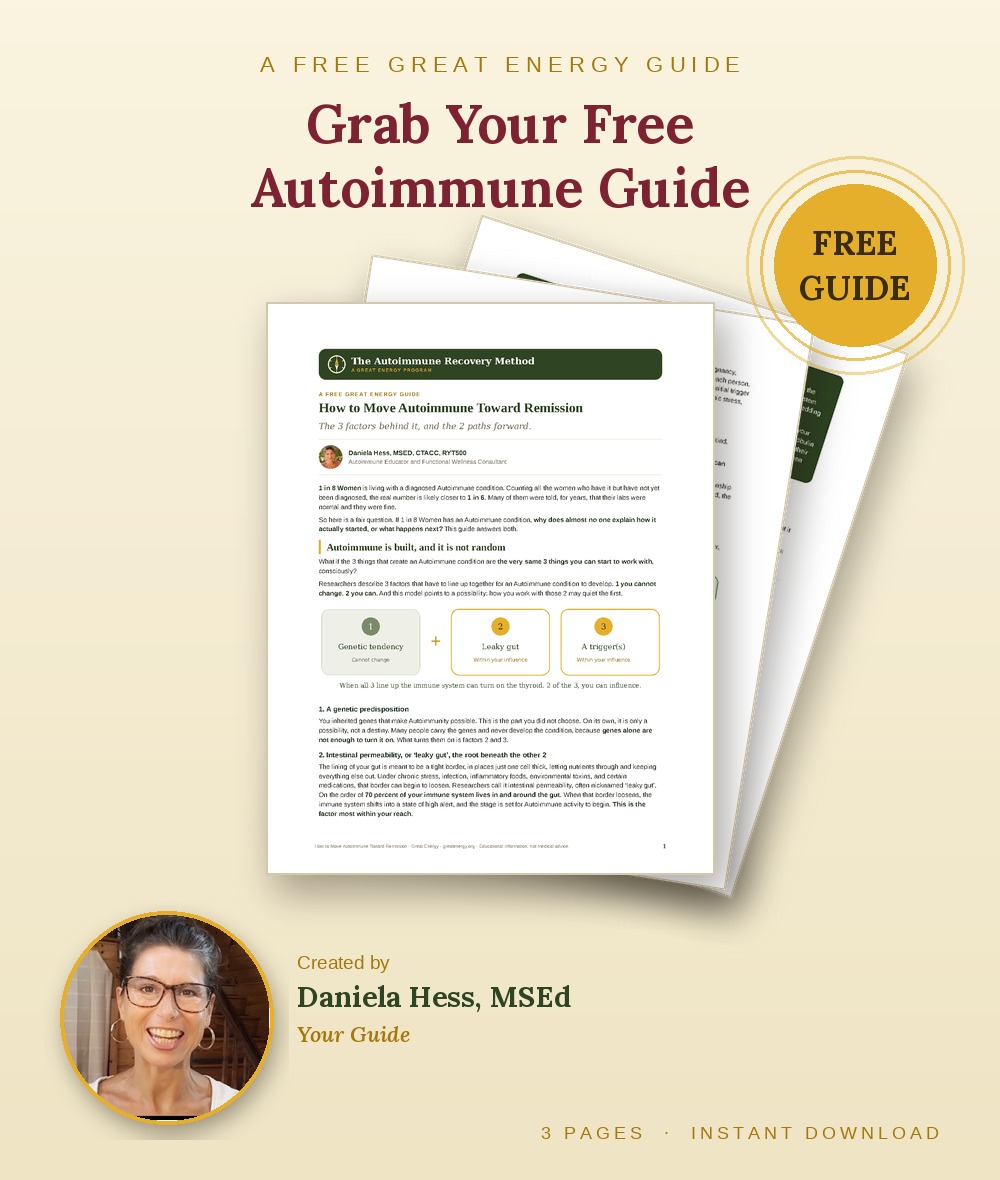
How to Move Autoimmune Toward Remission
The 3 factors behind an Autoimmune condition and the 2 paths forward, free, straight to your inbox.
No spam. Unsubscribe anytime.
Your guide is on its way. You can also open it now (PDF).
Articles from Daniela
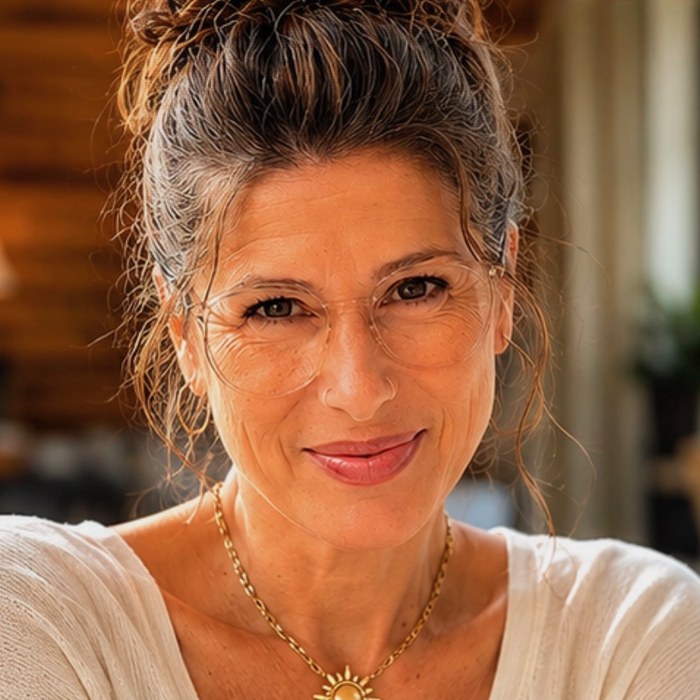
Daniela Hess, MSEd, is a co-founder of Great Energy and an Autoimmune Educator and Functional Wellness Consultant who lives and thrives with Hashimoto’s. She is not a licensed medical provider.
AIP recipes to try
A place to start in the kitchen while you work on this with your own clinician: