Mains
AIP balsamic glazed chicken wings - a savory, shareable plate for the elimination phase
Mains · serves 2 · 30-60 min
Core AIP · Elimination phase compliant
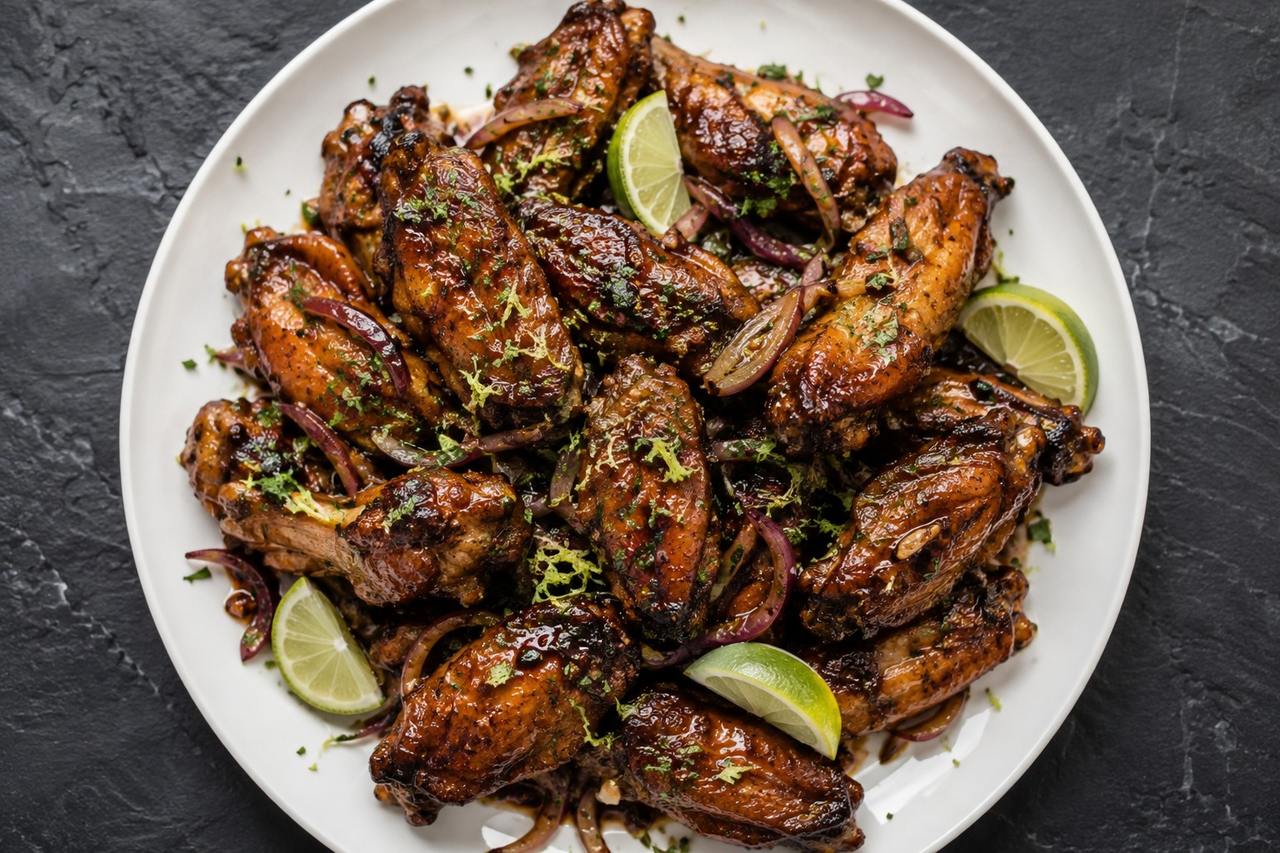
Wings read as bar food, the kind of thing you order with a group and eat with your hands, not the kind of thing that shows up on an elimination-phase plate. That is exactly why this recipe matters. The glaze here, balsamic, coconut aminos, ginger, garlic, and lime, caramelizes into something sticky and a little sharp, and it proves you have not signed up for bland food for the months this actually takes.
The skin and the small joints in a wing render down as they cook and release collagen and gelatin, the same connective-tissue building blocks a body draws on while calming a gut lining under strain. It is a slow, unglamorous kind of support, nothing a single meal proves on its own, but it adds up the way most of this work does.
Choose chicken from a bird that had some room to move, when you are able to find it. Scatter the parsley over the top while the glaze is still glossy, and eat these with your hands, the way wings are supposed to be eaten. A plate you genuinely enjoy is part of what carries you through the months this actually takes.
Ingredients
- 1 pound chicken wings (skin on)
- 1-inch piece fresh ginger
- 3 cloves garlic
- 1/2 red onion, or 2 shallots
- Zest of 1/2 lime
- Juice of 1/2 lime
- 2 tablespoons coconut aminos
- 2 tablespoons balsamic vinegar
- 1 tablespoon olive oil
- 1 1/2 teaspoons sea salt
- Chopped parsley, to garnish
Method
Make the glaze first. Put the ginger, garlic, red onion or shallots, lime zest and juice, coconut aminos, balsamic vinegar, olive oil, and salt into a blender or food processor and blend until smooth.
Put the wings in a bowl or a sealable bag and pour over the glaze, turning so every wing is coated. Let them marinate for at least 30 minutes, and up to overnight in the refrigerator for deeper flavor.
Heat the oven to 400 F. Arrange the wings in a single layer on a lined sheet pan, leaving space between them so they crisp rather than steam. Roast for about 35 to 45 minutes, turning them once partway through, until the skin is golden and crisp and the glaze has caramelized and clings to the wings. The wings are done when the juices run clear.
Scatter the chopped parsley over the top and serve warm.
Air fryer variation
The air fryer is excellent for wings and gives a crisp skin fast. Arrange the marinated wings in a single layer in the basket, not crowded, and cook at about 380 F, turning once or twice, until crisp and cooked through. Work in batches if needed, and confirm the timing with your own appliance.
Grill variation
Grill the marinated wings over medium heat, turning often so the glaze caramelizes without scorching, until the skin is crisp and the wings are cooked through. Watch them, since the natural sugars in the balsamic can color quickly.
Stovetop variation
Cook the marinated wings in a heavy skillet over medium heat, turning often, until browned on all sides and cooked through. Lower the heat if the glaze threatens to burn, and let the liquid reduce to a sticky coat at the end.
*Adapted from healmedelicious.com*
How to Move Autoimmune Toward Remission
The 3 factors behind an Autoimmune condition and the 2 paths forward, free, straight to your inbox.
No spam. Unsubscribe anytime.
Your guide is on its way. You can also open it now (PDF).

Further reading
Daniela Hess, MSEd, is a co-founder of Great Energy and an Autoimmune Educator and Functional Wellness Consultant who lives and thrives with Hashimoto’s. She is not a licensed medical provider.
More recipes with Chicken, Ginger, or Garlic
A Fast Pork Stir-Fry for the Nights You Have Nothing LeftA Japanese beef bowl rebuilt over cauliflower riceA Make-Ahead Meal for the Days You Cannot CookA gentle, nightshade-free vindaloo you stir together and walk away fromA hot and sour soup that keeps the comfort and skips the pepper heatA reworked AIP tikka masala, warm and creamy, built without the nightshades and seedsA warming curried chicken stew with cauliflower rice and mango, built on a seedless nightshade-free curry blendAIP General Tso-Style Baked ChickenEvery ingredient in this recipe is on the Core Autoimmune Protocol food list.
Download the Core Food List (PDF) Explore the food list