Mains
Teriyaki Salmon - AIP elimination compliant
Mains · serves 3 · under-30 min
Core AIP · Elimination phase compliant
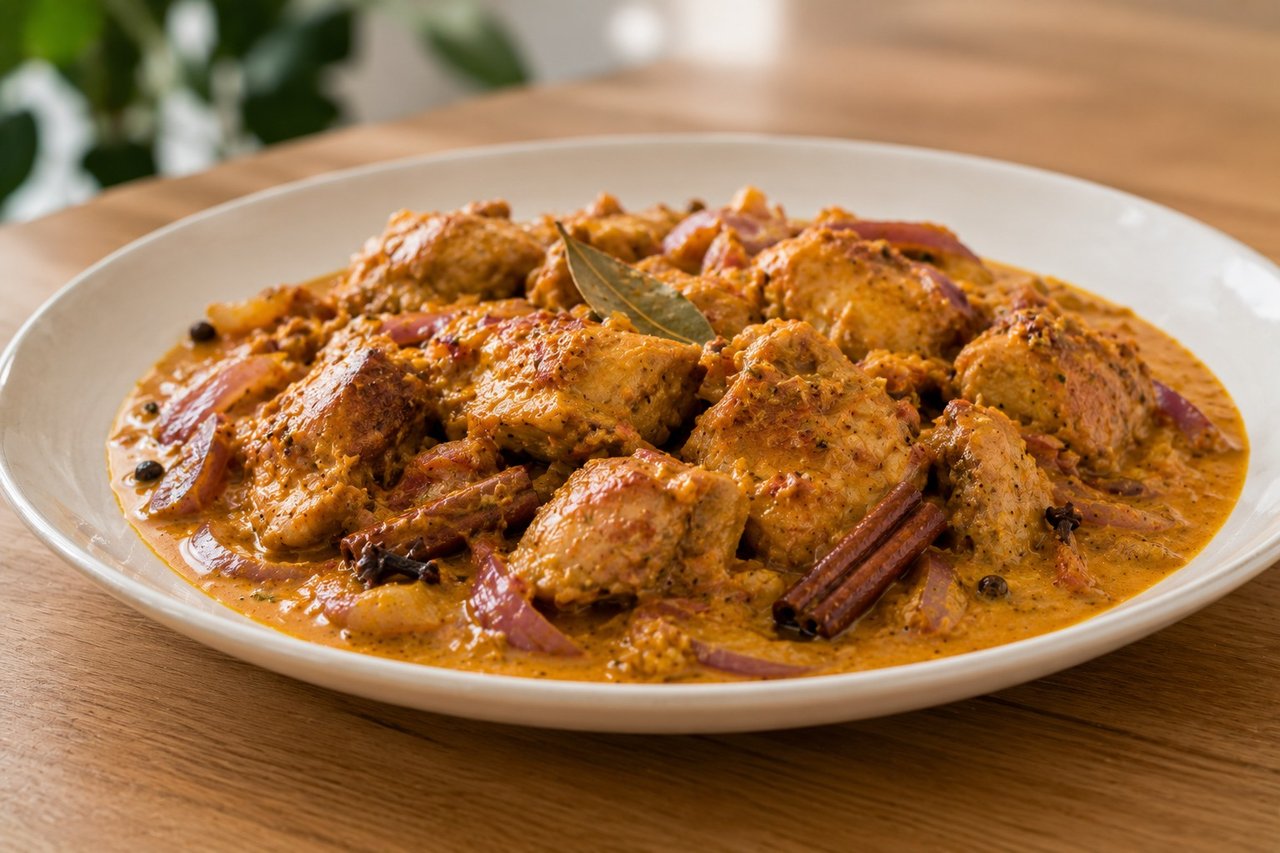
Salmon earns a permanent place in an AIP rotation, and this version dresses it up without adding real effort. The marinade turns into the glaze, so the flavor concentrates as the fish cooks instead of needing a separate sauce step. Start to finish, you are eating in under 30 minutes.
The omega-3s in salmon, specifically EPA and DHA, are tied in research to how the body resolves inflammation once it has already started, not just how it prevents one from starting. Selenium here plays its familiar role too: it is a mineral the body needs to activate thyroid hormone, relevant if a thyroid condition like Hashimoto's happens to be part of your health picture.
If you are following strict elimination, swap the honey for a small amount of maple syrup, or leave it out completely. The lemon and coconut aminos hold their own either way. Plate this on something you actually like eating from. It is a meal worth a real plate.
Ingredients
3 salmon filets, about 4 to 5 oz each
For the marinade:
- 1 tablespoon honey (see note above; omit or replace with a small amount of maple syrup if following strict AIP)
- 1/4 cup lemon juice
- 1 tablespoon apple cider vinegar
- 2 tablespoons coconut aminos (AIP swap: replaces traditional soy-based teriyaki sauce)
- 1 teaspoon garlic powder
- 1 teaspoon fresh grated ginger or ginger juice
- 1/4 teaspoon sea salt
- about 2 tablespoons coconut oil for pan frying
For the sauce:
- reserved marinade (set aside before adding salmon)
- 1/2 teaspoon arrowroot starch mixed into 1/4 cup water
Note: black pepper, sometimes listed as optional in this type of marinade, has been omitted as it is excluded on AIP.
Method
Whisk together the honey (or maple syrup), lemon juice, apple cider vinegar, coconut aminos, garlic powder, ginger, and sea salt in a shallow dish or bowl. Stir until combined.
Set aside approximately half of the marinade to use as the sauce - do this before the salmon touches the rest of it to keep the sauce uncontaminated.
Place the salmon filets in the remaining marinade and turn once to coat both sides. Marinate for 10 to 15 minutes at room temperature. You can marinate longer in the refrigerator, up to an hour.
Warm the coconut oil in a skillet over medium-high heat. Lift the salmon filets from the marinade (discard the used marinade) and place them in the pan. Cook for 3 to 4 minutes on the first side without moving them, then flip carefully and cook for another 2 to 3 minutes depending on thickness. The salmon should be just cooked through with a slightly glossy center. Remove from the pan and set aside.
In a small saucepan, bring the reserved marinade to a gentle simmer over medium heat. Stir the arrowroot slurry once more to recombine, then pour it slowly into the simmering marinade while stirring. Cook for 1 to 2 minutes until the sauce thickens into a glaze.
Spoon the glaze over the salmon filets and serve immediately.
Baked Variation
Preheat your oven to 400 degrees F. After marinating the salmon, place the filets on a parchment-lined baking sheet or in an oven-safe dish. Bake for 12 to 15 minutes depending on thickness, until the flesh is opaque and flakes easily. While the salmon bakes, prepare the glaze on the stovetop as described above. Spoon over the finished filets before serving.
*Adapted from cook2nourish.com*
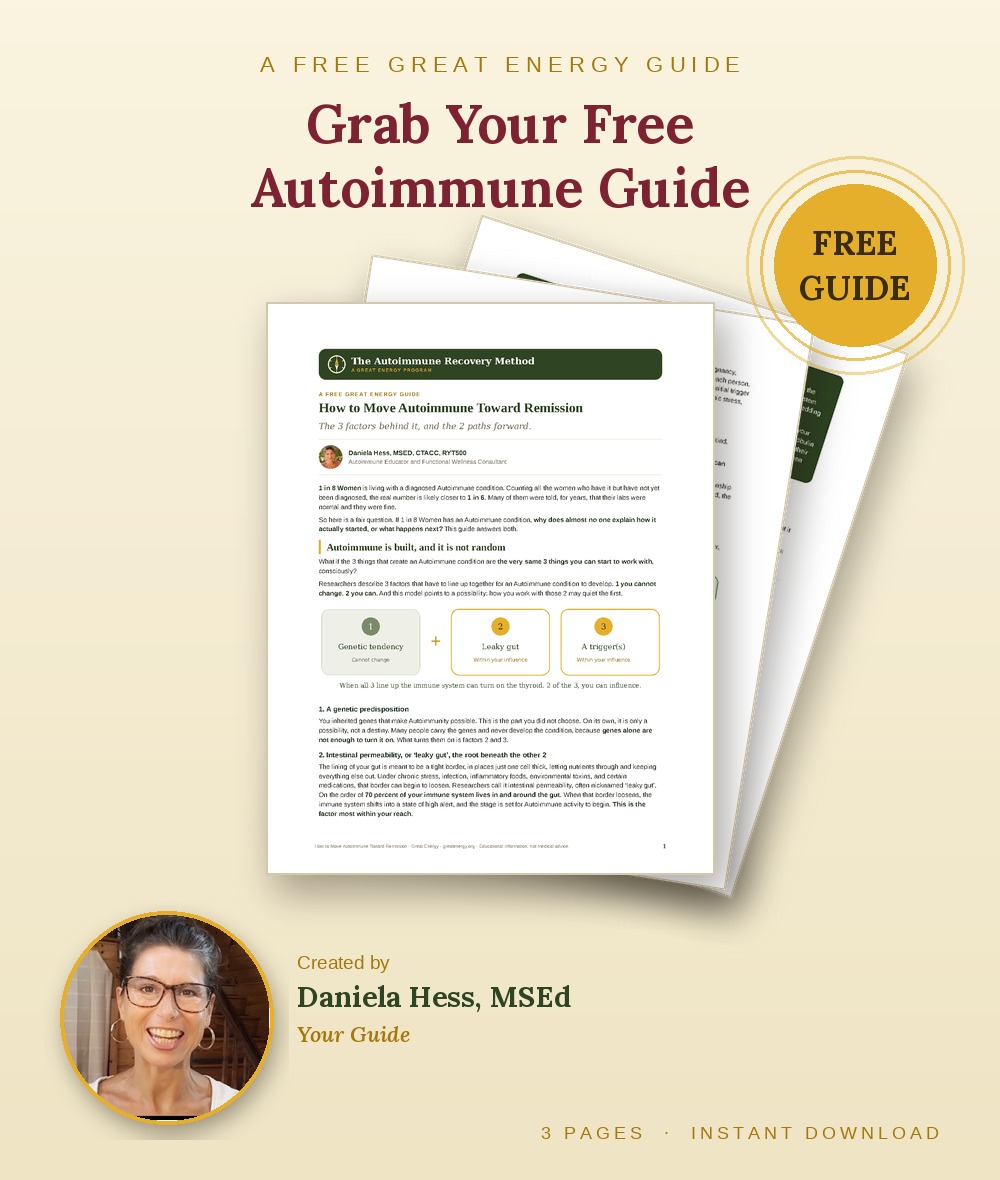
How to Move Autoimmune Toward Remission
The 3 factors behind an Autoimmune condition and the 2 paths forward, free, straight to your inbox.
No spam. Unsubscribe anytime.
Your guide is on its way. You can also open it now (PDF).

Further reading
Daniela Hess, MSEd, is a co-founder of Great Energy and an Autoimmune Educator and Functional Wellness Consultant who lives and thrives with Hashimoto’s. She is not a licensed medical provider.
More recipes with Lemon, Garlic powder, or Ginger
A Creamy Ranch That Skips the Dairy and Keeps the ComfortAIP herb-rubbed pork tenderloin with warm blueberry-balsamic-shallot sauceCoconut-ginger whitefish under the broiler, 10 minutes of heat and you are doneRoasted Garlic and Herb Codgrilled bone-in chicken thighs topped with a fresh pineapple, cucumber, radish, and mint salsanightshade-free, tomato-free BBQ sauce built on strawberries, beets, carrots, and balsamic, with smoked salt for the BBQ note and black pepper omitted5-Veggie Beef Stir-FryA Make-Ahead Meal for the Days You Cannot CookFrom the glossary
Words in this recipe you can look up. Tap or click a term to learn what it means.
ArrowrootCoconut aminosInflammationMarinateSeleniumThyroidEvery ingredient in this recipe is on the Core Autoimmune Protocol food list.
Download the Core Food List (PDF) Explore the food list